
tips · March 4, 2026
Why Older Homes in Norfolk Need Specialized Handyman Care
Ghent, Freemason, and Colonial Place are full of beautiful prewar homes, and full of repair challenges that take a different approach than newer construction.
Walk a few blocks off Colley Avenue and you are standing in a streetscape that predates the automobile. Ghent, the Freemason District, Colonial Place, and Larchmont hold some of the finest turn-of-the-century housing stock in Virginia: Colonial Revival foursquares, Georgian brick rowhouses, and Craftsman bungalows that have sheltered a dozen families before yours.
These homes are beautiful, and they break differently than newer construction. Working on a prewar Norfolk house calls for a handyman who understands what is normal versus what is a real problem, what to leave alone, and where modern materials do not belong.
## What is different about older Norfolk homes
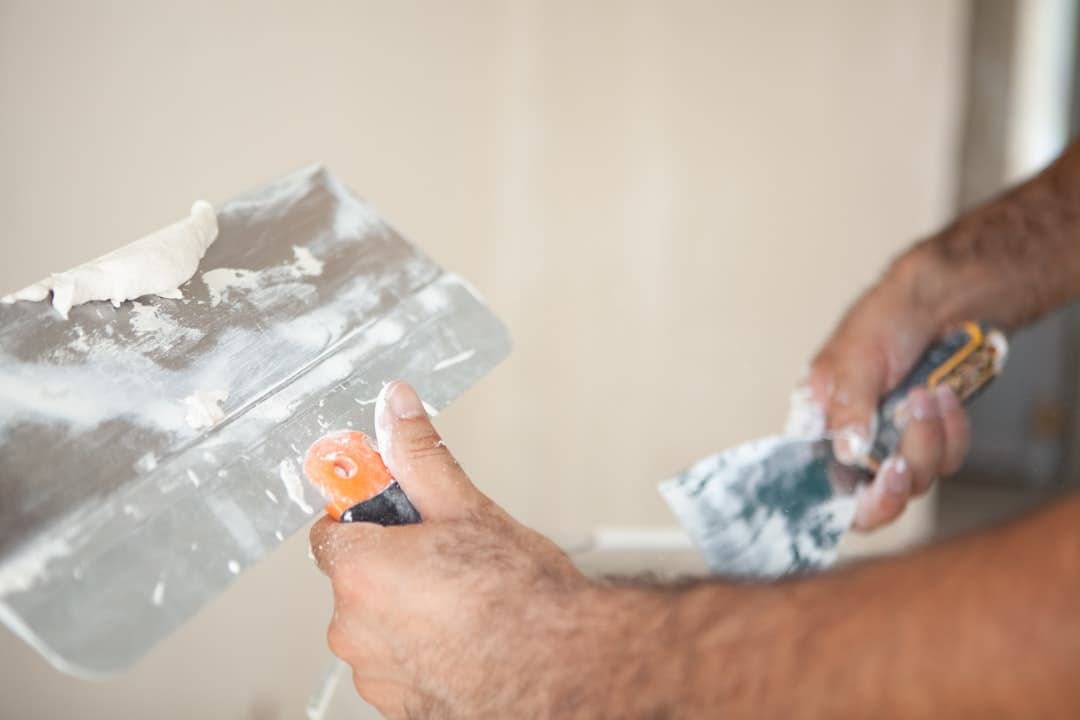
Lath-and-plaster walls. Many original Ghent and Freemason interiors are not drywall, they are wood lath strips under three coats of plaster. Plaster cracks differently than drywall and patches differently. Hairline cracks in old plaster are usually cosmetic and stable. Wider cracks can mean the plaster keys have let go behind the lath, which has to be re-anchored before anyone patches the face. Standard drywall joint compound does not bond well to old plaster, so we use a setting-type compound made for the substrate.
Original wood double-hung windows. The sashes in these houses are almost always better than what would replace them, old-growth heart pine and cypress that has already lasted a century and can last another. The repair pattern is straightforward: re-cord broken sash weights, rebuild the jamb liners, re-glaze the putty around the panes. We rarely recommend replacing original windows in a historic Norfolk home, both because the wood is better than anything at the big-box store and because the Ghent Historic District has guidelines about it.
Salt air on everything metal. Norfolk sits on the Elizabeth River with the Chesapeake Bay a few miles north, and the air carries salt inland further than most homeowners expect. Hinges seize, screws rust out of exterior trim, and hardware that would last twenty years in Richmond fails here in five. We carry stainless and hot-dip galvanized fasteners for exterior work as a matter of course.
Galvanized supply lines. Plenty of pre-1960 Norfolk homes still run original galvanized iron supply, rusted from the inside out, restricting flow and discoloring the water. That is plumber territory, not handyman scope, but we can tell you whether that is what you have and point you to someone good.
Knob-and-tube electrical. Original wiring still turns up in Norfolk attics and wall cavities. It is a genuine safety concern and squarely a licensed electrician's job. As your handyman, we keep an eye out whenever we are in a wall or an attic and flag it for you.
Settled foundations. A century of moisture cycles on Norfolk's soft coastal soil means floor sag and brick movement are simply part of the building. Doors that bind in the same spot every August, baseboards that no longer meet the floor, a crack that reopens in the same place each year: these are the house working with the seasons, not an emergency. We address them as they come up instead of trying to fix a hundred-year pattern.
Lead paint. Anything built before 1978 may have it. We follow EPA RRP-style work practices when we sand or scrape older painted surfaces: proper containment, HEPA cleanup, no dry sanding.
## What we do differently for historic homes
We match materials to the era. Plaster where the wall is plaster. True-divided-light glazing where the windows are original. Period-correct trim profiles, milled locally if we have to.
We respect what is already there. Old hardware, original glass, a working antique mortise lock: that is the character of the house and it is worth keeping. We rebuild rather than replace whenever the original part can be saved.
We flag the district rules. If your house sits inside the Ghent Historic District, exterior changes can require review before the work starts. We will tell you when that comes into play.
We scope honestly. Some repairs in old houses are not handyman work at all, they are restoration carpentry, structural masonry, or a specialty trade. We say so up front and refer you out when that is the right call.
If you own an older home in Norfolk, the right handyman is the one who understands the building. Tidewater Handyman Services works across Ghent, Colonial Place, Larchmont, Riverview, and Ocean View on houses from every era. Call us for a walk-through and an honest assessment.