
tips · January 28, 2026
How Coastal Humidity Damages Your Home (and What a Handyman Can Fix)
Hampton Roads humidity is relentless. Here is what it does to wood, drywall, paint, and metal, and the targeted handyman fixes that protect your home.
If you grew up inland and just moved to Hampton Roads, the humidity will surprise you. Average summer dew points in Virginia Beach sit in the high 60s to low 70s for weeks at a time, and even in winter our homes rarely drop below 40% interior relative humidity without active dehumidification. That moisture is doing slow damage to your house every day, and the patterns are predictable.
Wood doors and trim swell and shrink. Wood is hygroscopic, meaning it pulls moisture from the air and releases it as conditions change. Hampton Roads homes go through significant seasonal swings, exterior doors that fit perfectly in February are sticky and binding by August. The handyman fix is targeted: plane the hinge side rather than the latch side, address worn thresholds, and replace weather-stripping in matched lengths.
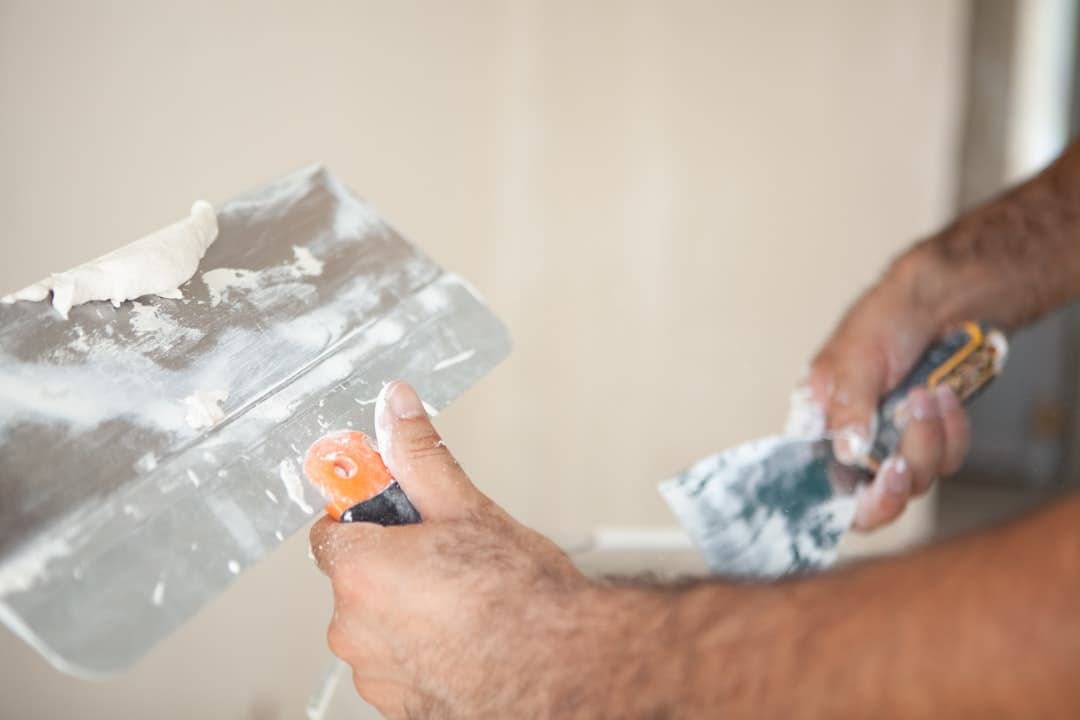
Drywall and plaster crack. Coastal soils shift more than inland soils, and seasonal humidity swings work fasteners loose around windows, doors, and ceiling corners. The result is hairline cracks that reappear no matter how many times you patch them. The right approach is to fix the underlying movement first, re-secure loose drywall to studs, use mesh tape with proper feathering, and accept that some cracks need a flexible caulk rather than rigid joint compound.
Paint blisters and peels. Bathrooms, exterior trim, and shaded north walls are the worst offenders. Humidity gets behind paint film and pushes it off the substrate. The handyman fix is proper prep: scrape, prime with a stain-blocking product, and use a paint formulated for high-humidity exposure. Cheap interior paint in a Tidewater bathroom is a six-month solution.
Caulk fails. Tub and shower caulking, exterior window caulking, and trim joints all have a limited service life in our climate, typically three to five years on exterior work and even less inside humid bathrooms. Once the caulk pulls away, water gets behind tile and into wall cavities. A regular re-caulk schedule protects the structure underneath.
Metal hardware corrodes. Hinges, exterior light fixtures, deck fasteners, gutter brackets, lock bolts, and outdoor furniture all rust faster here than they would inland. The fix is to spec stainless or hot-dipped galvanized hardware on every outdoor application, especially for properties within a mile of the coast.
Gutters and downspouts overflow. Tied to humidity indirectly: thunderstorms in our region drop a lot of water fast, and clogged gutters cannot keep up. Overflowing water saturates fascia, soffit, and exterior walls, then humidity prevents them from drying out properly. A twice-yearly gutter cleaning is the cheapest insurance against major exterior damage.
The through-line: every one of these problems is much cheaper to address early than to fix late. A drywall crack patched correctly in 2026 costs $150; the same crack ignored until the wall has to be opened to address mold costs $1,500. A door planed and resealed costs $200; replacing a rotted door and frame costs $2,500.
If any of this sounds familiar, walk through your home this weekend with a notepad and write down what you see. Then give Tidewater Handyman Services a call, we will turn the list into a sequenced plan and tell you what is urgent versus what can wait until next season.
Services in this article